

Small spaces can feel cozy and stylish—or cramped and cluttered. The difference often comes down to smart decorating choices. With the right layout, colors, and details, even the tiniest room can feel open, airy, and comfortable. The good news? You don’t need major renovations to make it happen.
[Image Prompt] A bright small living room with light-colored walls, a compact sofa, a round coffee table, and natural sunlight streaming through sheer curtains.
Below are practical, easy-to-follow tips to help you decorate small spaces and make them feel bigger without stress.
Use Light Colors to Open Up the Room
Color has a powerful effect on how spacious a room feels. Light shades reflect more light, which instantly creates an open look.
What works best:
- Soft whites, creams, and warm beiges
- Pale gray, light sage, or muted pastels
- Matching wall and ceiling colors to blur boundaries
You don’t need to avoid color completely. Just keep the main surfaces light and add personality with accents like pillows, throws, or wall art.
Quick tip: If pure white feels too stark, try an off-white with warm undertones for a cozy but spacious feel.
Choose Furniture That Fits the Scale
Oversized furniture can overwhelm a small room fast. The goal is balance, not emptiness.
Smart furniture choices:
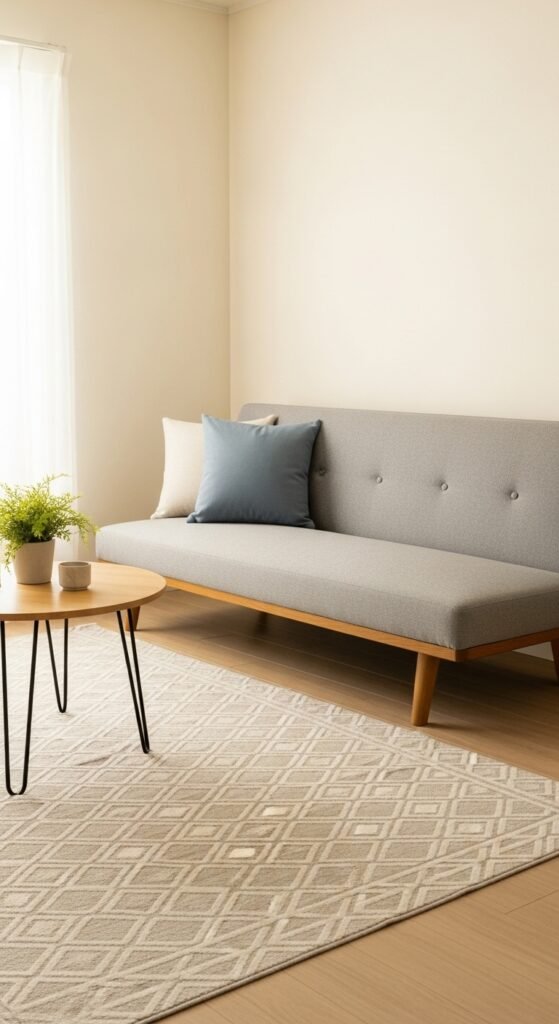
- Slim-profile sofas and armless chairs
- Furniture with exposed legs to create visual space
- Round tables that allow easier movement
Avoid bulky pieces that sit flat on the floor. Lifted furniture allows light to flow underneath, making the room feel less crowded.
Maximize Vertical Space
When floor space is limited, look up. Vertical decorating draws the eye upward and makes ceilings feel higher.
Ideas to try:
- Tall bookshelves instead of wide ones
- Floor-to-ceiling curtains hung close to the ceiling
- Vertical wall art or stacked frames
Using height wisely keeps the floor open while still giving you storage and style.
Design trick: Hang curtains a few inches above the window frame and let them fall to the floor. This visually stretches the room.
Let Mirrors Do the Heavy Lifting
Mirrors are one of the most effective tools for making small spaces feel bigger. They reflect light and create the illusion of depth.
Best mirror placements:
- Across from a window to bounce natural light
- Behind a sofa or console table
- As part of a gallery wall with simple frames
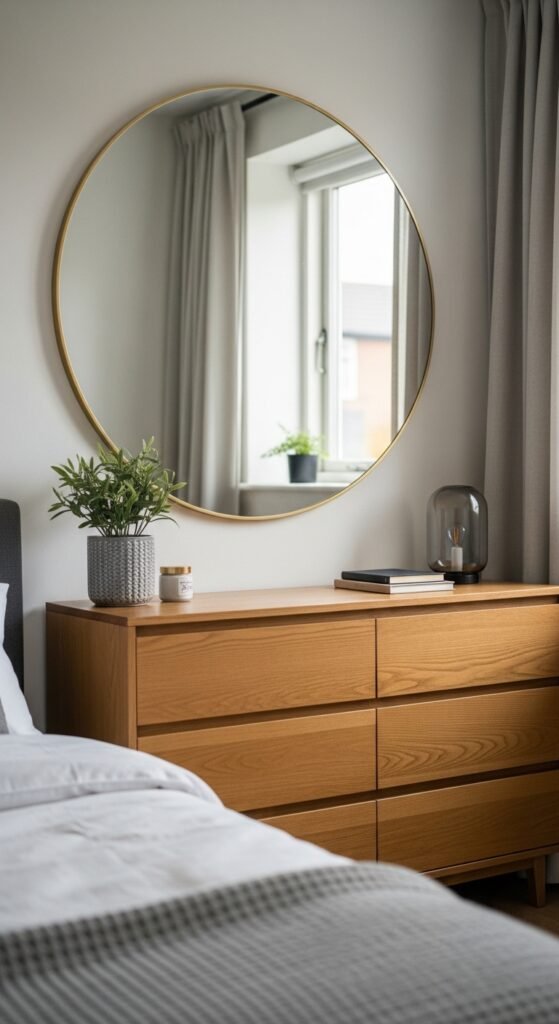
You don’t need oversized mirrors everywhere. Even one well-placed mirror can change the entire feel of a room.
Keep the Layout Open and Flexible
A crowded layout can make even a well-decorated room feel tight. Focus on flow and function.
Layout tips:
- Float furniture away from walls if possible
- Leave clear walkways between pieces
- Use multi-purpose furniture like storage ottomans
Avoid pushing everything against the walls automatically. Sometimes a little breathing room creates a more balanced look.
Use Smart Storage to Reduce Visual Clutter
Clutter is the fastest way to make a small space feel smaller. Storage should hide items while still being easy to access.
Helpful storage solutions:
- Baskets on open shelves
- Beds with built-in drawers
- Wall-mounted cabinets or hooks
[Image Prompt] A small entryway with wall-mounted hooks, a slim bench with hidden storage, and woven baskets neatly arranged.
The less visual noise you see, the bigger your space will feel.
Stick to a Simple Color and Texture Palette
Too many patterns or textures can overwhelm a small area. A cohesive palette keeps things calm and open.
How to keep it simple:
- Choose 2–3 main colors and repeat them
- Mix textures instead of bold patterns
- Use subtle contrasts for depth
This approach adds interest without making the room feel busy.
Add Lighting in Layers
Good lighting can completely transform a small space. Relying on one overhead light often creates shadows that shrink the room visually.
Layer your lighting with:
- Table lamps
- Wall sconces
- Soft ambient lighting
[Image Prompt] A cozy small living room with layered lighting, including a floor lamp, table lamp, and soft ambient glow.
Lighting at different heights adds dimension and warmth.
Final Thoughts: Small Can Still Feel Spacious
Decorating a small space doesn’t mean sacrificing comfort or style. With light colors, smart furniture choices, clever storage, and thoughtful layout, you can create a home that feels open and inviting.
Start with one change at a time, and you’ll be surprised how much bigger your space feels.
Save this guide for later and try one tip this week to refresh your small space!
Leave a Reply