

Choosing the right wall color can completely change how your home feels. The right shade can make a room look brighter, calmer, larger, or more inviting—sometimes all at once. But with endless paint swatches and trends everywhere, it’s easy to feel stuck.
The good news? You don’t need to be a designer to get it right. With a few smart guidelines, you can confidently pick wall colors that truly elevate your space.
[Image Prompt] A bright, airy living room with soft neutral walls, natural light streaming through large windows, cozy furniture, and subtle decor accents in a calm, modern style.
Understand the Mood You Want to Create
Before you look at a single paint chip, think about how you want the room to feel. Color has a powerful effect on mood, and starting with emotion makes choices easier.
Ask yourself:
- Should this room feel calm and restful?
- Warm and welcoming?
- Fresh and energetic?
- Cozy and intimate?
Here’s a simple mood guide:
- Soft neutrals and light blues feel peaceful and relaxed.
- Warm beiges, greiges, and muted earth tones feel inviting and comfortable.
- Deeper shades create drama and coziness when used thoughtfully.
- Light colors help spaces feel open and airy.
Once the mood is clear, you’ll naturally narrow down your color options.
Pay Attention to Natural Light
Light changes everything. The same color can look completely different depending on how much sunlight a room gets.
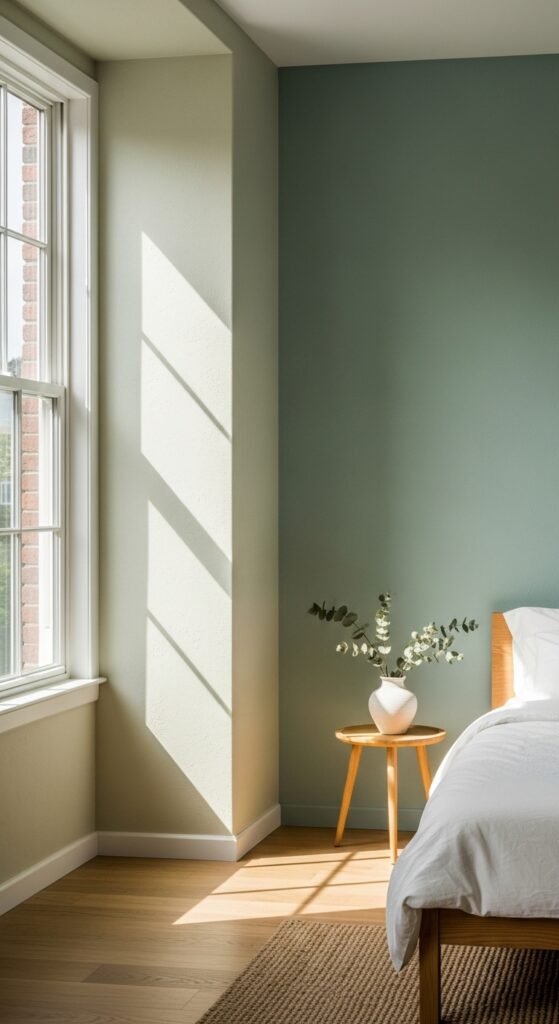
Quick lighting tips:
- North-facing rooms often feel cooler. Warmer tones help balance that out.
- South-facing rooms get lots of light and can handle cooler or deeper shades.
- East-facing rooms look brighter in the morning, softer later in the day.
- West-facing rooms glow in the afternoon but may feel darker earlier.
Always test paint samples on your walls and check them at different times of day. This step alone can save you from repainting later.
Start With Neutrals as a Foundation
Neutrals are popular for a reason—they’re flexible, timeless, and easy to build around. But neutral doesn’t mean boring.
Think beyond plain white:
- Warm whites add softness.
- Greige blends warmth and coolness beautifully.
- Light taupe and beige add depth without overpowering.
Neutrals work especially well if you like to change decor seasonally or want a home that feels cohesive from room to room.
If you’re unsure, start neutral and layer personality through art, textiles, and accents.
Use Color to Highlight Architecture
Wall color can enhance the features you already have.
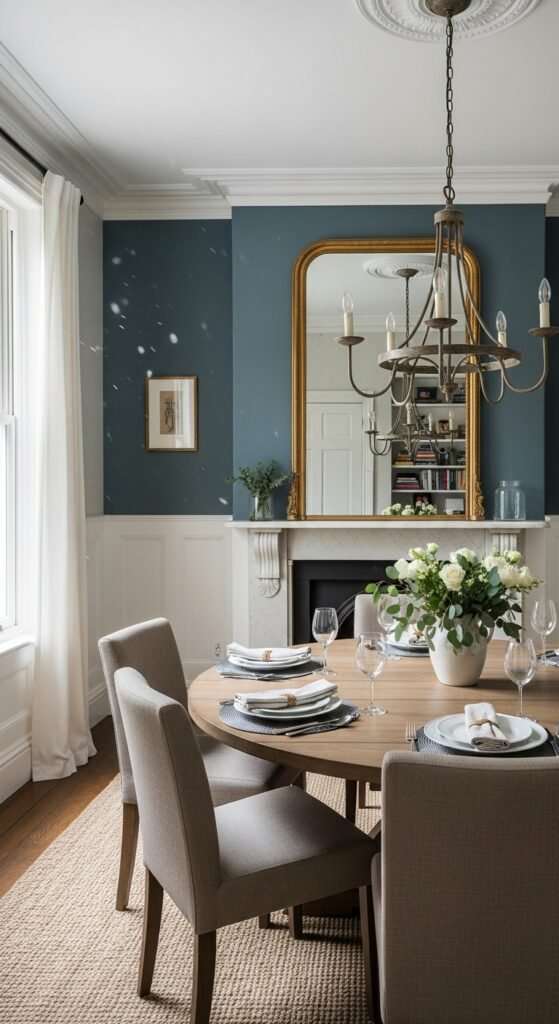
Try these ideas:
- Paint an accent wall to draw attention to a fireplace or built-in shelves.
- Use a slightly darker shade in rooms with beautiful trim to add contrast.
- Keep ceilings lighter to make rooms feel taller.
The goal isn’t to overwhelm the space, but to guide the eye naturally.
Coordinate With What You Already Own
Your walls don’t exist in isolation. Floors, furniture, cabinets, and fabrics all matter.
Before choosing paint:
- Look at permanent features like flooring and countertops.
- Pull colors from rugs, artwork, or upholstery you love.
- Make sure undertones match (warm with warm, cool with cool).
A color that looks perfect on its own can feel off if it clashes with existing elements. Coordinating first makes everything feel intentional.
Test Before You Commit
This step is often skipped—and it’s the most important one.
[Image Prompt] Close-up of painted sample squares on a wall, showing different color swatches taped side by side in a real home setting.
Instead of painting tiny squares, try this:
- Paint large sample sections on multiple walls.
- Observe them morning, afternoon, and evening.
- View them with lights on and off.
Live with the samples for a few days. You’ll quickly notice which color feels right and which doesn’t.
Trust Your Instincts (Not Just Trends)
Trends come and go, but you live in your home every day. If a color makes you feel comfortable and happy, it’s a good choice—even if it’s not trending.
That said, if you love trends:
- Use them in smaller spaces.
- Try them in bedrooms, powder rooms, or accent walls.
- Pair them with classic neutrals for balance.
Your home should reflect you, not just what’s popular right now.
Final Takeaway
Choosing wall colors doesn’t have to feel overwhelming. Start with the mood, pay attention to light, test before committing, and coordinate with what you already love. Small, thoughtful choices make a big impact.
When you slow down and trust the process, your walls won’t just be painted—they’ll elevate your entire home.
Save this guide for later the next time you’re staring at paint samples and wondering where to start.

Leave a Reply