

Lighting has the power to completely change how a space feels. Swap out a basic ceiling fixture for a pendant light, and suddenly the room looks intentional, warm, and styled. The good news? Installing pendant lights is more approachable than most people think. With a little planning and the right steps, you can upgrade your lighting without turning it into a stressful project.
[Image Prompt] A bright, modern kitchen with a single pendant light hanging over a clean island, soft natural daylight coming through a window, neutral tones, realistic home interior photography, no text.
Why Pendant Lights Instantly Elevate a Room
Pendant lights do more than provide light. They act as visual anchors.
They work especially well in:
- Kitchens over islands or sinks
- Dining areas above tables
- Entryways with high ceilings
- Bedrooms as bedside lighting
Unlike flush mounts, pendants draw the eye downward. This creates depth and makes ceilings feel taller. They also let you layer lighting, which makes a room feel cozy and balanced instead of flat.
Before installing anything, think about function first. Is this light for tasks, ambiance, or decoration? That answer guides every choice that follows.
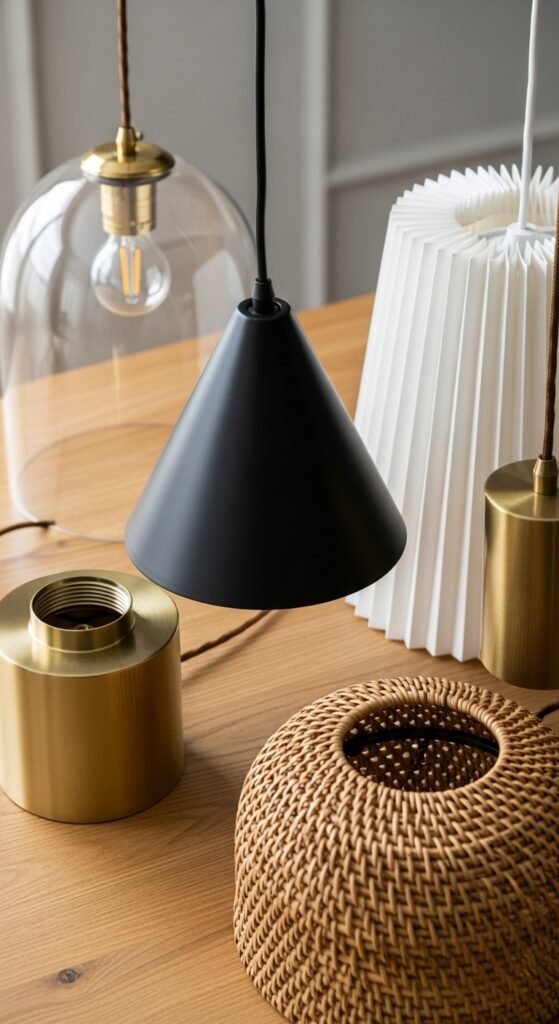
Choosing the Right Pendant Light Style
Not all pendant lights work everywhere. Scale and shape matter more than people expect.
Things to consider:
- Size: Small pendants get lost in large rooms. Oversized pendants overwhelm tight spaces.
- Height: Taller ceilings allow longer drops. Standard ceilings need shorter cords.
- Finish: Match or complement existing hardware for a cohesive look.
For kitchen islands, simple shades with open bottoms provide better task lighting. For dining areas, softer diffused pendants create a relaxed atmosphere.
Tools and Prep Before You Start
Preparation makes the installation smoother and safer.
You’ll typically need:
- Screwdriver
- Voltage tester
- Wire connectors
- Ladder
- Ceiling junction box (existing or new)
Before touching wires, turn off the power at the breaker. Always double-check with a voltage tester. This step matters.
If you’re replacing an existing fixture, remove it slowly and take note of wire colors. Most pendant lights connect to standard wiring, making this a manageable upgrade for many homes.
Step-by-Step: Installing a Pendant Light
This process follows a simple rhythm. Take it one step at a time.
- Remove the old fixture and mounting bracket.
- Attach the new mounting bracket that comes with the pendant.
- Connect wires: match colors and secure with connectors.
- Adjust cord length before hanging the fixture.
- Secure the pendant canopy to the ceiling.
- Install the bulb and restore power.
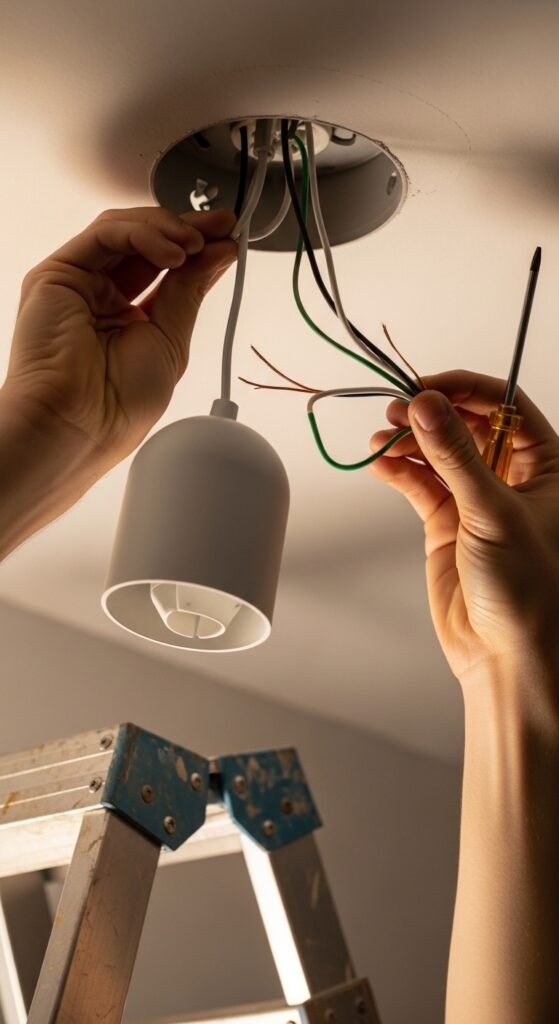
If you’re installing multiple pendants, measure spacing carefully. Even gaps make everything look polished and intentional.
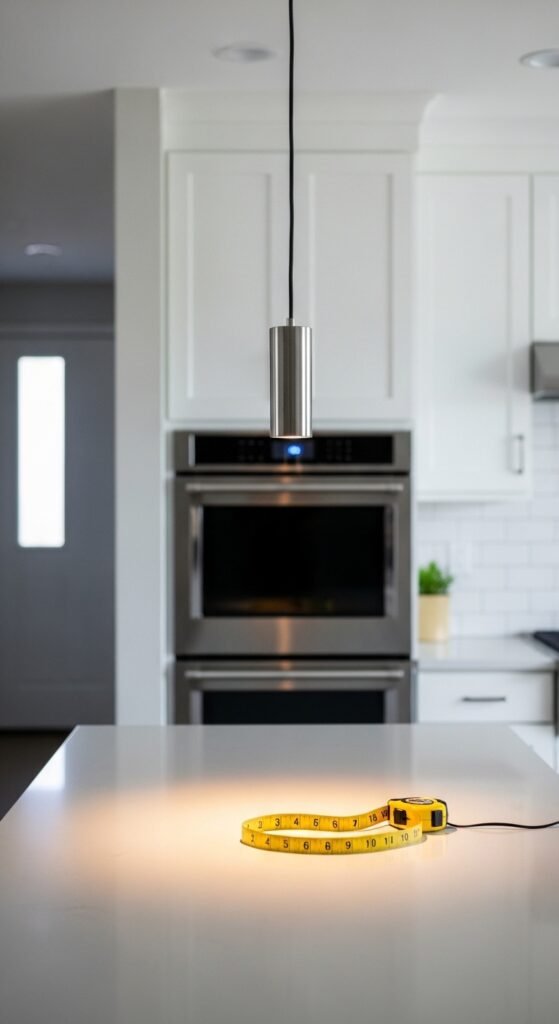
How High Should a Pendant Light Hang?
This is one of the most common questions, and the answer depends on location.
General guidelines:
- Over kitchen islands: 30–36 inches above the surface
- Over dining tables: 28–34 inches above the tabletop
- Open spaces: At least 7 feet from the floor
When in doubt, temporarily hang the pendant and step back. Visual balance matters just as much as measurements.
Small Upgrades That Make a Big Difference
Once the pendant is installed, a few small tweaks elevate the result.
Try these ideas:
- Swap in warm-toned bulbs for a softer glow
- Add a dimmer switch for flexibility
- Clean the fixture regularly to keep it bright
Pendant lights shine when layered with other lighting. Combine them with under-cabinet lights, floor lamps, or wall sconces for depth and comfort.
Common Mistakes to Avoid
Even simple projects have pitfalls.
Watch out for:
- Hanging lights too high or too low
- Ignoring ceiling height and room scale
- Forgetting to turn off the breaker
- Choosing style over function
A pendant should look good and serve its purpose. Balancing both keeps your upgrade feeling thoughtful, not trendy.
Final Thoughts: Light That Changes Everything
Installing pendant lights is one of those projects that delivers instant satisfaction. The room feels brighter. The space feels styled. And the effort feels worth it.
You don’t need a full renovation to upgrade your home. Sometimes, one well-placed light is enough to transform how a room looks and feels.
Save this guide for later, grab your tools, and let your lighting do the heavy lifting.

Leave a Reply