

Blank walls can make even the most beautiful room feel unfinished. The good news? You don’t need expensive artwork or a professional designer to fix that. With a little creativity and a few smart choices, you can make wall art that completely changes how a space feels—fast.
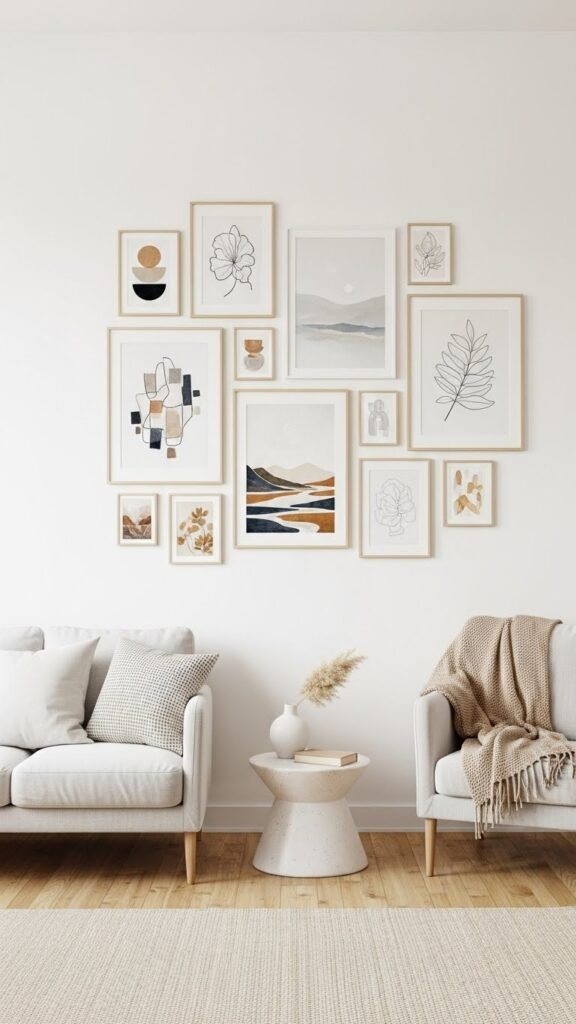
This guide walks you through simple, doable ways to create wall art that feels intentional, personal, and eye-catching. No complicated tools. No fancy materials. Just ideas that actually work.
Start With the Wall, Not the Art
Before making anything, look at the wall itself. Size, light, and location matter more than people realize.
Ask yourself:
- Is this a large empty wall or a small awkward space?
- Does it get natural light or feel darker?
- Is it behind a sofa, bed, desk, or dining table?
These answers help you decide scale and style.
Quick rule of thumb:
- Large wall → oversized art or a gallery layout
- Small wall → one strong focal piece
- Narrow wall → vertical designs or stacked frames
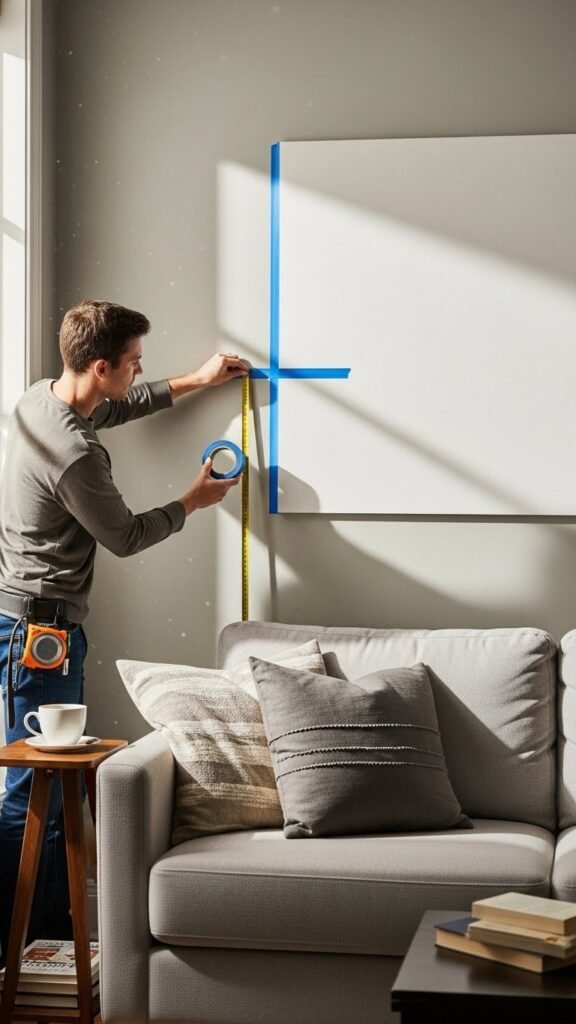
Using painter’s tape to map out shapes on the wall first can save you from guessing. It also helps you visualize balance before committing.
DIY Canvas Art That Looks Store-Bought
Canvas art is one of the easiest ways to make something big without spending much.
You’ll need:
- Blank canvas (any size)
- Acrylic paint or wall paint samples
- A wide brush or sponge
Simple ideas that always work:
- Soft color blocking in two or three tones
- Abstract brush strokes in neutral shades
- Minimal line art using one dark color
Keep it loose. Perfect lines aren’t the goal. Texture and movement make it feel modern.
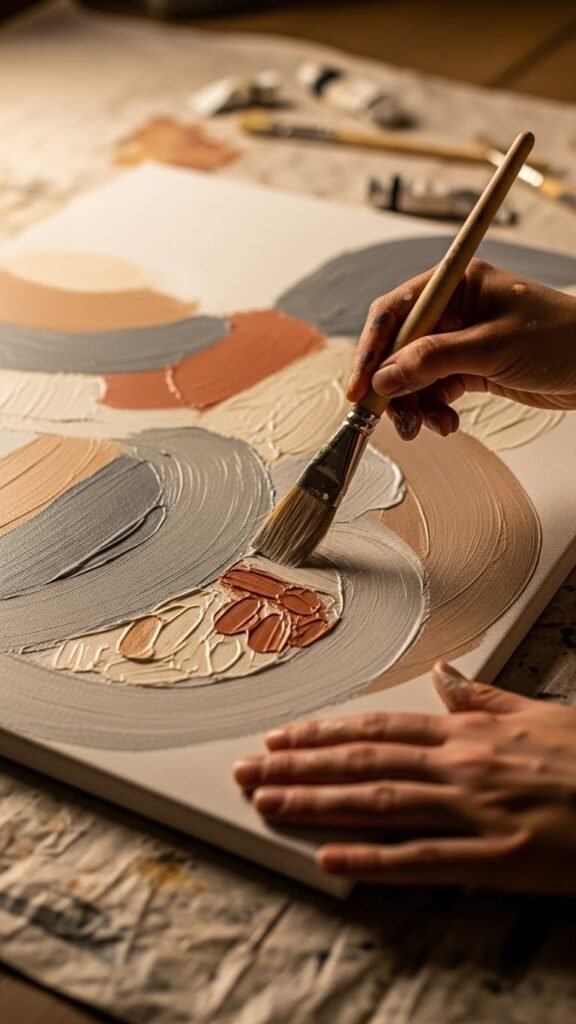
Let the paint dry fully before hanging. Even simple art looks more polished when finished cleanly.
Gallery Walls Made Easy (No Stress Layout)
Gallery walls feel intimidating, but they don’t have to be.
Start with:
- A color theme (black and white, warm neutrals, soft pastels)
- A mix of frame sizes
- One anchor piece in the center
Easy layout styles:
- Grid (clean and modern)
- Organic (relaxed and creative)
- Horizontal line (great over furniture)
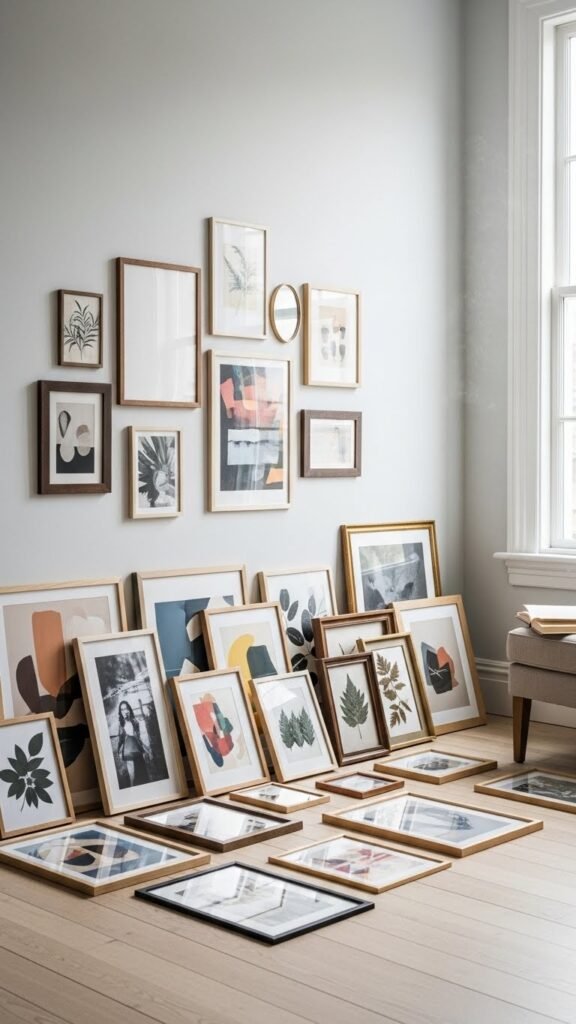
Pro tip: Lay everything on the floor first. Take a photo. Adjust until it feels right. Then hang.
Texture-Based Wall Art for Instant Depth
Flat walls feel boring. Texture changes everything.
Affordable texture ideas:
- Woven wall hangings
- Fabric stretched over frames
- Wooden panels or thrifted trays
- Pressed paper or cardboard art
These pieces add warmth and dimension without loud colors.
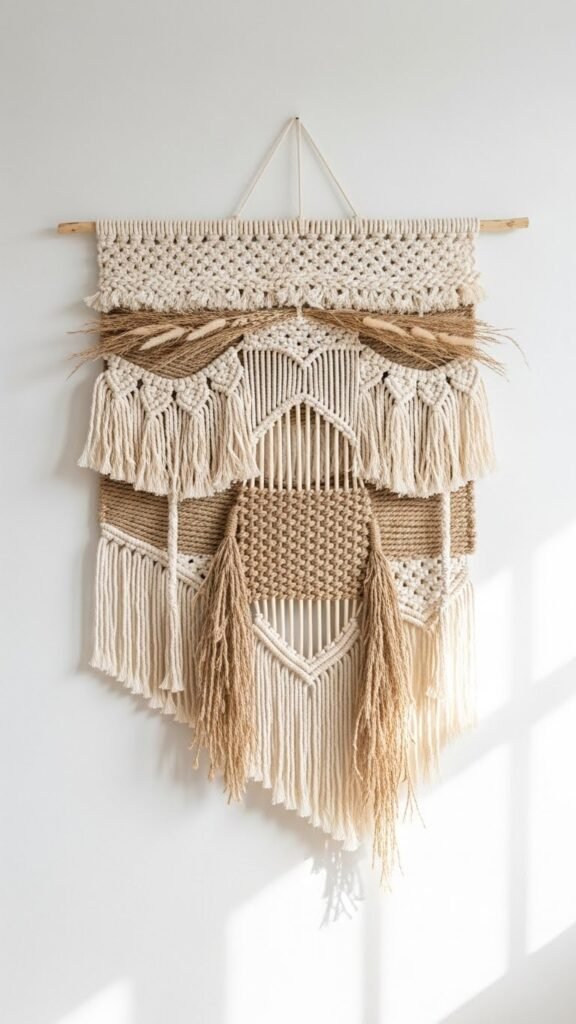
Texture works especially well in calm spaces like bedrooms or reading corners.
Using Personal Items as Art
Some of the best wall art is already in your home.
Try framing:
- Old book pages
- Handwritten notes
- Travel maps
- Kids’ drawings
- Fabric scraps
Use simple frames to let the item shine. Group similar pieces together for impact.
This type of art feels meaningful and impossible to copy.
Make Art Feel Bigger With Smart Placement
Even great art can feel underwhelming if it’s hung wrong.
Keep these placement tips in mind:
- Center art at eye level
- Hang art 6–8 inches above furniture
- Use pairs or sets for balance
- Leave breathing room around pieces
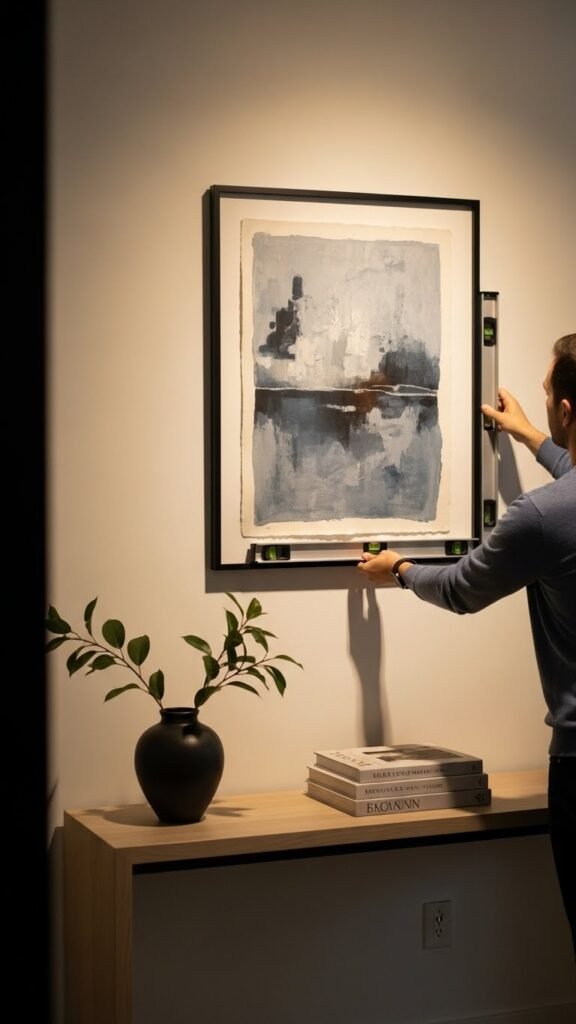
When art feels grounded and aligned, the whole room feels more put together.
Final Touches That Pull It All Together
Once the art is up, step back and check the overall feel.
Ask:
- Does the wall feel balanced?
- Does it match the room’s mood?
- Does it add interest without clutter?
You can always layer in:
- A small plant nearby
- A lamp that highlights the art
- Subtle accents that echo colors from the wall
Final Takeaway
You don’t need to be an artist to make wall art that transforms a space. You just need intention, scale, and a willingness to try. Start small, trust your eye, and let your walls reflect your style.
Save this guide for later and come back whenever a wall feels a little too empty.
Leave a Reply